Walking Where Paul Walked: The Appian Way

Imagine a road that's approximately 23 centuries old and still in working order. Imagine a road capable of forever changing the culture of the last great civilization of the classical period, one to which we owe many of the characteristics of the modern Western world. And add to this the fact that this road is rightfully part of biblical history. We're talking about the Appian Way, the Queen of Roads, as its builders, the ancient Romans, called it!
The founding fathers of ancient Rome were very different from how we imagine Romans today, partly due to films that focus primarily on the late Republican or Imperial period. Although similar to the Greeks (just think of the deities, who were almost identical except that they had different names), there were substantial differences: the Romans were less culturally refined; they loved practical things, infrastructure, and law. And their morals were very rigid and conservative. However, there were more progressive figures in the Senate, such as Appius Claudius Caecus, who in the 3rd century BCE pushed for the construction of a road that would allow troops to be mobilized from Rome to what was then Magna Graecia, which occupied much of southern Italy. This senator foresaw the possibility of annexing not only territories but also their culture, considered superior by the progressive wing but immoral by those attached to tradition. The thirst for conquest prevailed, and so the same road that had conquered Magna Graecia allowed the art, sport, philosophy, luxury, and morality of the East to invade Rome, effectively taking over in the late Republic. The Romans were changed forever, blending their own characteristics with those of Greece, effectively laying the foundations for Western society as we know it today.
The Appian Way is approximately 360 miles long and extends from Rome to Brindisi, a port city located in Apulia, the heel of the Italian peninsula. After landing near Naples, the apostle Paul evidently traveled a stretch of it, because two places along it are mentioned in the account of his journey to Rome: the Marketplace of Appius and Three Taverns (Acts 28:15).

My life is curiously connected to this road because my father was born in Brindisi, where the Appian Way ends, near the port. My mother was born in Campania, also in an area crossed by the Appian Way. I now live a half-hour drive from the place mentioned in Acts (Three Taverns) and work where the Appian Way begins, in Rome.
On the tours offered by BIBLE TOURS ROME JW, you can see the beginning of the Appian Way on the Paul in Rome: 1st Imprisonment tour (that section is now paved, although it follows the original route), but Paul certainly entered Rome from there.

Furthermore, if you book the Riviera of Ulysses day trip, you'll see an original stretch of the Appian Way that runs through the city of Terracina, still featuring the original paving stones that Paul most likely walked on as he journeyed to Rome in 59 CE.

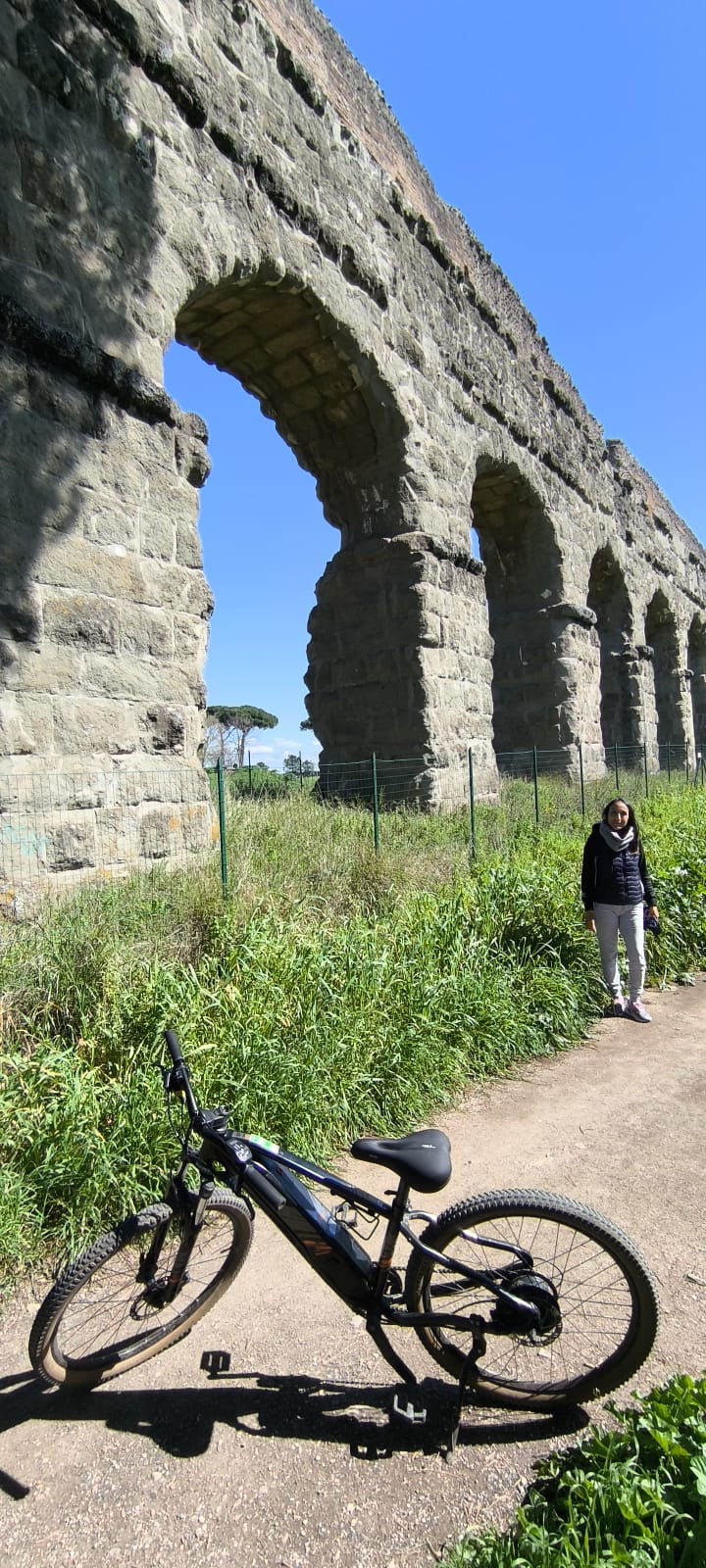
It's possible to see the original road while staying in Rome, but you'll need to travel about a mile outside the city center. I recommend taking a taxi or public transportation, as the stretch is somewhat dangerous to reach by bike. Once there, however, where the paved stretch ends and the Appian Way begins, you can rent a bike and cycle through the wonderful aqueduct park, pedaling exclusively on the original paving stones. A unique experience that combines nature, archaeology, and biblical history.


Comments